 0
0


 Dit is
Drie meter muur, een deuropening van 60 cm en een woonkamer die op de spelletjesavond plaats moet bieden aan zes personen, maar op dinsdag drie: hier valt een standaard showroombank uit elkaar. Een op maat gemaakte...

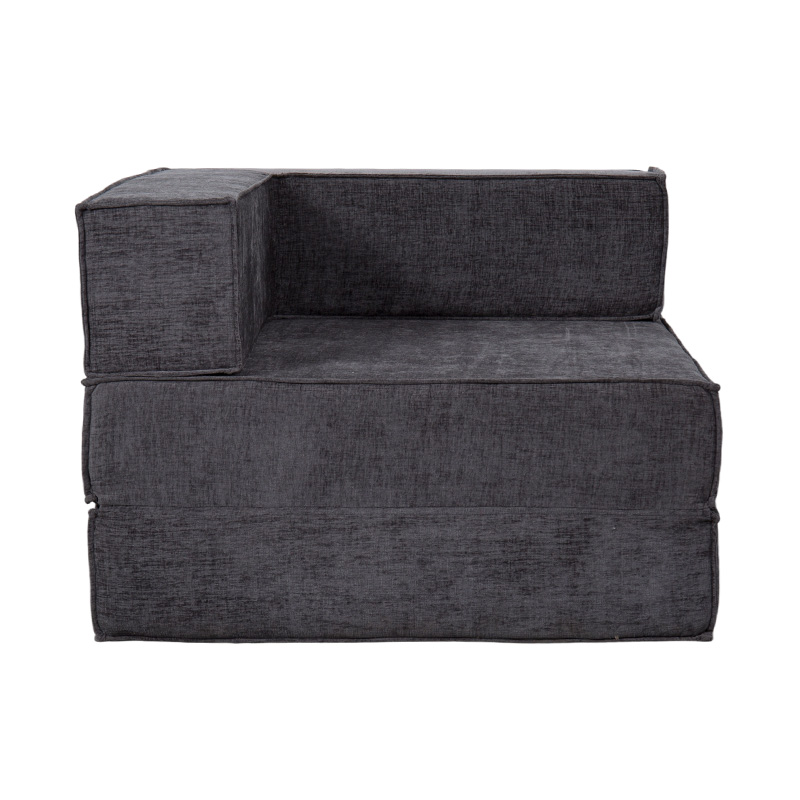
Koopgids voor aangepaste modulaire banken: lay-outs, stoffen, vullingen en tips van de fabrikant
Aug 21, 2026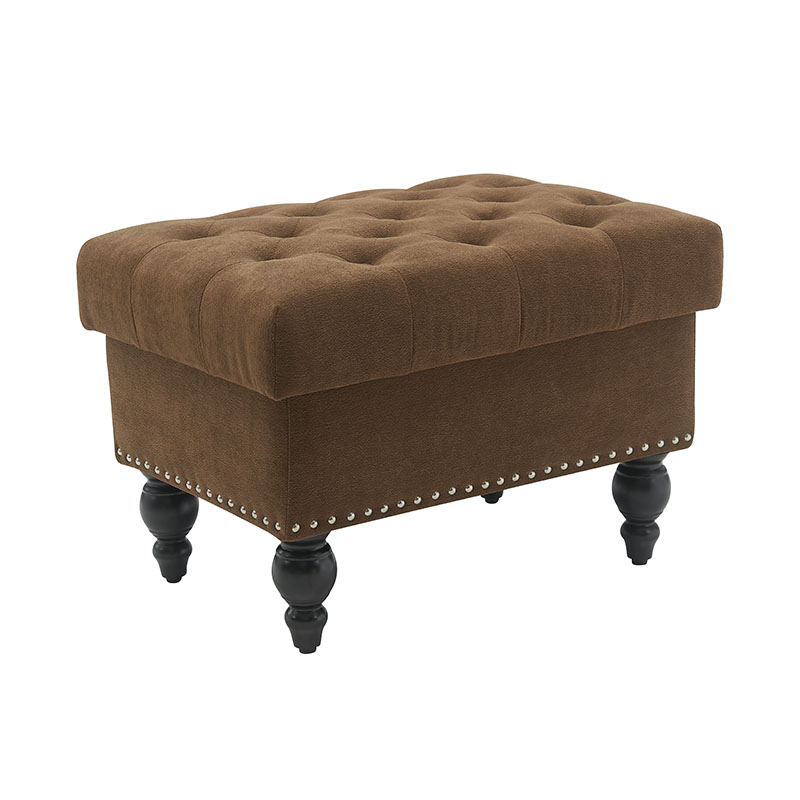
Koopgids voor opbergmeubels: maat, materiaal, opties en wat u moet inspecteren voordat u koopt
Aug 14, 2026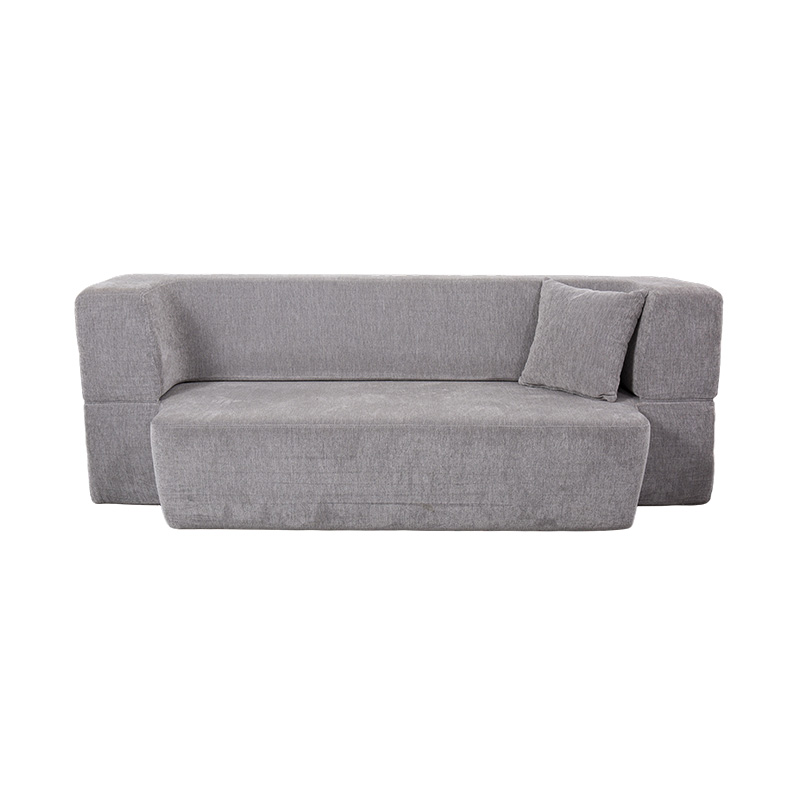
Koopgids voor volschuimbanken: comfort, duurzaamheid en wat u moet controleren voordat u koopt
Aug 07, 2026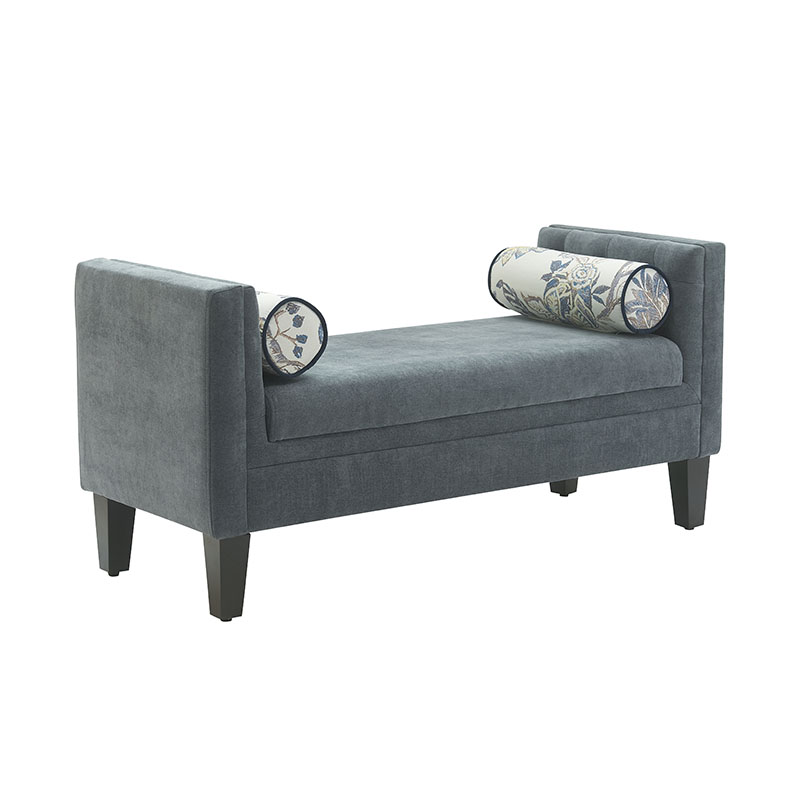


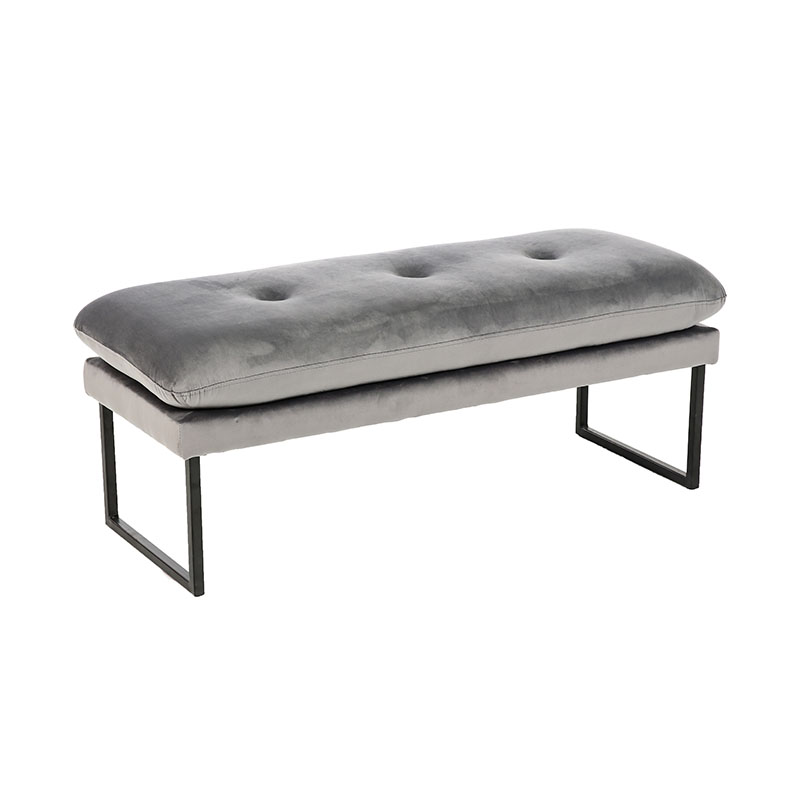
Stoffen banken zijn gemaakt van verschillende materialen: er wordt een verscheidenheid aan stoffen gebruikt, zoals katoen, linnen, fluweel, gemengde stoffen, enz. Katoenen en linnen materialen hebben een goede luchtdoorlatendheid, waardoor mensen een natuurlijk en eenvoudig gevoel krijgen; fluwelen materialen zijn zacht en comfortabel, voelen warm aan en hebben een zeker gevoel van luxe.
Zacht en comfortabel: het zitgevoel is zeer comfortabel, de stof is zacht en kan mensen een warm en ontspannend gevoel geven, geschikt om lang te zitten en te liggen.
Goed ademend vermogen: stoffen banken gemaakt van natuurlijke materialen zoals katoen en linnen laten lucht circuleren tussen de vezels, waardoor benauwdheid en vochtigheid effectief kunnen worden voorkomen, en zijn zelfs in de zomer comfortabeler in gebruik.
Rijke patronen: Verschillende patronen en kleuren kunnen worden gepresenteerd door middel van bedrukken, verven, borduren en andere processen, zoals eenvoudige geometrische patronen, romantische bloemenpatronen, schattige cartoonpatronen, enz., die kunnen voldoen aan verschillende decoratiestijlen en persoonlijke voorkeuren, en persoonlijkheid en warmte aan de ruimte kunnen toevoegen.
Drie meter muur, een deuropening van 60 cm en een woonkamer die op de spelletjesavond plaats moet bieden aan zes personen, maar op dinsdag drie: hier valt een standaard showroombank uit elkaar. Een op maat gemaakte...
Je hebt waarschijnlijk tien minuten in een meubelwinkel doorgebracht met het testen van een opbergpoef: je tilt het deksel op, controleert de grootte van het compartiment, gaat op de rand zitten en loopt dan weg zo...
Waarom een volschuimbank een nadere beschouwing verdient Na een paar jaar dagelijks gebruik kan een bank met veren krakende frames, doorhangende kussens en zelfs spiralen ontwikkelen die door de vulling heen ...
How Fabric Bench Compare with Leather and Wooden Benches in Comfort, Style, and Use Scenarios
When furnishing both residential and commercial interiors, choosing between a fabric bench, leather bench, or wooden bench can be more than just a matter of style—it’s a practical decision that affects comfort, durability, maintenance, and overall user experience. Each material has its own unique advantages and application scenarios, and understanding these differences can help customers make more informed choices that align with their environment and lifestyle needs. As a manufacturer with experience in diversified materials and furniture construction, we often see how subtle details influence long-term satisfaction with seating products.
Fabric bench is widely favored for their softness, warmth, and rich tactile experience. Unlike leather or wooden surfaces, which can feel either cold in winter or sticky in summer, a fabric bench offers year-round comfort thanks to its breathable surface and padded structure. In high-use settings such as living rooms, cafes, or lounge areas, this comfort becomes a key factor in user preference. Materials like cotton, linen, and velvet also allow for nuanced textures and patterns that are harder to achieve with leather or wood, making fabric benches a go-to choice for designers aiming to infuse personality and coziness into their spaces.
On the other hand, leather benches bring a certain visual weight and are often chosen for their sleek and formal appearance. While they can be quite stylish and easy to wipe clean, especially in hospitality or office settings, they lack the breathable quality of fabric. Over time, leather can also show signs of wear like cracking or discoloration, particularly in areas exposed to direct sunlight or heavy use. Wooden benches, meanwhile, emphasize durability and a more minimalist aesthetic, but often fall short on comfort unless supplemented with cushions—essentially reintroducing fabric in some form.
From a maintenance perspective, a fabric bench might require more regular cleaning, depending on the fabric type and color tone. However, advances in textile technology have given rise to performance fabrics with stain-resistant or water-repellent properties, significantly reducing upkeep concerns. For example, blended fabrics used in high-quality fabric benches are now engineered to offer both resilience and easy cleaning, without sacrificing softness. This balance between function and feel gives fabric seating an edge in both family households and boutique commercial spaces.
In terms of design adaptability, fabric benches easily outpace their leather and wooden counterparts. Through printing, embroidery, or weaving techniques, fabric allows endless variation in color, motif, and texture, from understated neutrals to vibrant accent pieces. This versatility makes fabric benches particularly suited for brands or homeowners looking to align furniture with a particular theme or seasonal décor. They also offer a quieter, softer acoustic presence compared to hard-surfaced benches, which is an often-overlooked benefit in echo-prone spaces.
Ultimately, while leather and wood have their own merits in durability and specific aesthetics, the fabric bench continues to win favor for its balance of comfort, customizability, and warmth. For customers seeking both function and inviting design, especially in relaxed or hospitality-focused environments, a high-quality fabric bench offers long-term value that speaks not just to utility but to lifestyle.
 +86-0563-4630168 / +86-15925629030
 [email protected]
 Dongpo industriële zone, Dongpo dorp, Zhongxi stad, Ningguo stad, provincie Anhui, Chian
 Stoffen bank Leveranciers